No pattern carries as much history as tartan. It is woven into the identity of Scotland, it has been banned, revived, worn by royalty and by punks, and it returns every autumn in new forms. Knowing how to wear tartan today is less a question of rules than of proportion: one strong check, surrounded by quiet textures, looks modern; too much tartan quickly looks like a costume. This guide offers a short history of the pattern and a practical way to wear it in a contemporary wardrobe.
A short history of tartan
From the Highlands
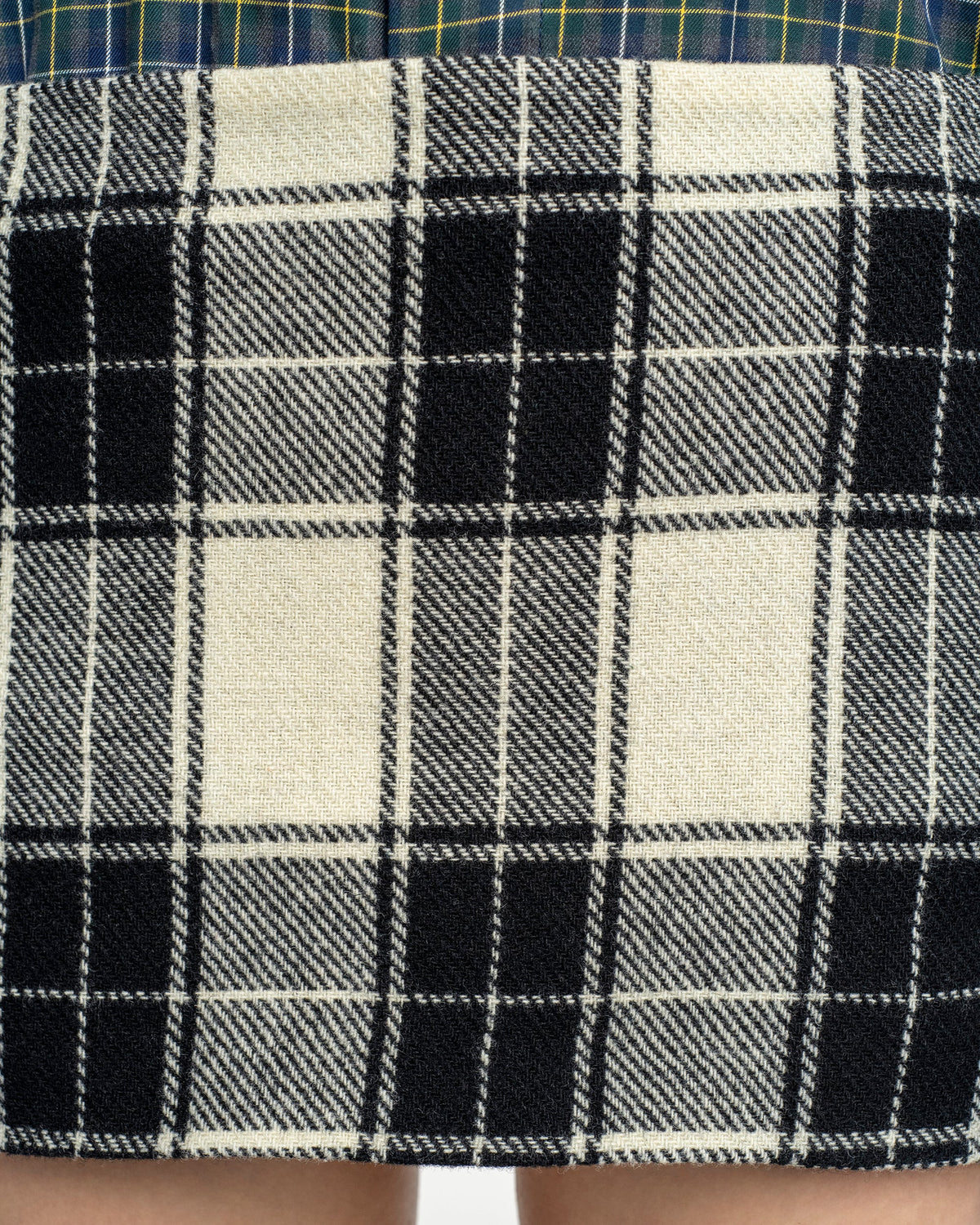
Tartan is a woven pattern of crossing horizontal and vertical bands, in which the same sequence of colours, the sett, repeats in both directions. In the Scottish Highlands, it was woven in wool for centuries, originally with dyes drawn from local plants, which is why early tartans were often associated with a region before they became associated with clans.
Banned, then revived
After the Jacobite rising of 1745, the Dress Act of 1746 forbade men in the Highlands from wearing Highland dress, tartan included. When the ban was lifted in 1782, tartan returned with a new symbolic weight. In the nineteenth century, the fascination of the Victorian court with the Highlands turned it into a fashionable pattern far beyond Scotland, and the idea of an official tartan for each clan largely took shape in this period.
Into fashion
Since then, tartan has never really left the wardrobe. It has been the pattern of country gentry and of rebellion, of school uniforms and of catwalks. Its versatility comes from its structure: depending on the colours and the scale, the same grid can look aristocratic, rustic or radical.
For more on the craft traditions behind Scottish style, read our selection of Scottish heritage fashion brands preserving craftsmanship.
The golden rule: one tartan at a time
The simplest way to wear tartan with elegance is to let it be the only pattern in the outfit. Choose one tartan piece and build everything else in plain, textured fabrics: flannel, cashmere, corduroy, tweed. The check then becomes the focal point rather than the whole look. Pick up one of the colours of the tartan in another piece, a red in a knit, a brown in a trouser, and the outfit instantly looks considered.
Start with a tartan shirt
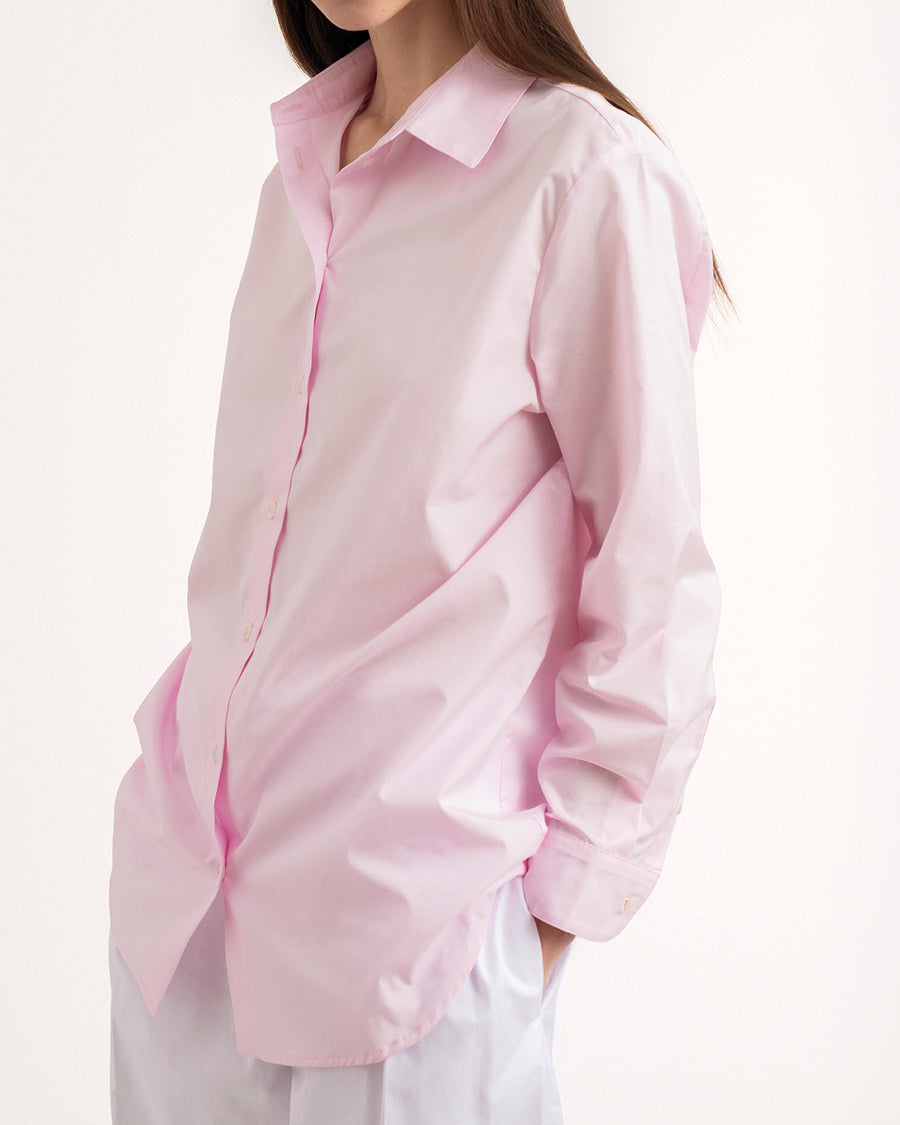
A shirt is the easiest way into tartan. It sits close to the face, where colour matters most, and it can be layered, tucked or worn open. Brushed cotton is ideal: the brushing softens the lines of the check and gives the fabric a warm, flannel-like hand. The Martin shirt in brushed tartan cotton, cut oversized with a dropped shoulder and a curved hem, is designed to be worn open over a fine knit or untucked over trousers. Discover the rest of our shirting in shirts and tops.
Five modern ways to wear tartan
1. With grey flannel
Grey is the most natural partner for tartan, because it calms the colours without competing with them. A red check shirt over wide grey flannel trousers is a timeless, almost academic look. The Paisley pants in grey brushed wool flannel, double pleated with a fluid wide leg, give the check the softness it needs.
2. Under a cashmere knit
Let only the collar and the cuffs of the tartan shirt show beneath a cropped jumper. It is the most discreet way to wear the pattern, and the most British. The Glasgow jumper, cropped and boxy in brushed mouliné cashmere, lets the shirttail show beneath it. Find more knits in our knits and cashmere.
3. With a black knit skirt
A tartan shirt worn open over a black ribbed skirt gives the pattern an urban, slightly rock edge. The A-line cashmere skirt in black keeps the silhouette clean and the look elegant.
4. With corduroy
Tartan and corduroy share the same countryside roots. A red check with a caramel cord is warm, relaxed and perfect for weekends. The Max Curory pants in caramel corduroy, a five-pocket cut in a true wide-wale corduroy, are made for this pairing.
5. Worn as a jacket
A thick brushed tartan shirt can be worn open like a light overshirt over a fine turtleneck in early autumn. Keep the rest of the outfit monochrome so the check remains the only statement.
Choosing your tartan
Red tartans are the most classic and the most festive: they bring warmth to grey, navy and black. Green and blue tartans are more discreet and more countryside, easy to wear with brown and camel. Scale matters as much as colour: a small, dense check reads almost as a texture and is easier to wear daily, while a large check is a statement piece. Finally, choose natural fibres, wool or brushed cotton, which age beautifully and keep the depth of the colours.
What not to do
Avoid mixing two different tartans unless you are deliberately going for a very styled look. Avoid pairing tartan with other bold patterns such as florals or stripes. And resist the temptation of a full tartan outfit: a tartan skirt, shirt and scarf worn together will almost always look like a uniform.
Tartan, the NAMI way
NAMI was born from a Scottish family home and a grandfather's wardrobe, reimagined through a Parisian lens. Tartan, flannel and tweed are part of that vocabulary. Discover the story on our about page, the new season in our AW26 collection, The Shepherd's Plaid, and another Scottish reference, Charles Rennie Mackintosh's Glasgow roses, in our Mackintosh Roses collection. And if you are heading north, our guide on what to wear in Scotland will help you pack.
Tartan through the day
Tartan adapts to every moment of the day as long as the pieces around it change register. For the office, keep the check close to the face and the rest strictly tailored: a tartan collar under a grey cashmere jumper, straight flannel trousers, polished loafers. For the weekend, let it breathe: a brushed tartan shirt worn open over a fine tank, corduroy trousers and a heavy cardigan. For the evening, reverse the proportions and let a single touch of tartan meet black: a check shirt worn open over a black turtleneck and a black knit skirt is quietly striking. Our black and charcoal edit is the natural backdrop.
Outerwear matters too. Over a tartan shirt, choose a plain coat or jacket in a textured wool, tweed, herringbone or bouclé, so that the check stays the only pattern in the outfit. The contrast between two textures in the same colour family always looks more refined than two patterns. Browse our outerwear collection for pieces in that spirit.
In summary
Tartan is a pattern with centuries of history, and it looks most modern when worn with restraint. Choose one tartan piece, ideally a brushed cotton shirt, and surround it with plain, textured fabrics: grey flannel, cashmere, corduroy. Repeat one of its colours elsewhere in the outfit, favour natural fibres and avoid clashing patterns. Browse our pants collection to find the flannel or corduroy that will anchor your tartan.