
Scotland's fashion heritage runs deeper than tartan patterns and tweed jackets. For centuries, the Highlands and Lowlands have produced textiles and garments that balance uncompromising quality with distinctive character, rooted in local materials and artisanal techniques passed through generations. Today, a new wave of Scottish fashion brands continues this legacy, preserving traditional craftsmanship while reimagining it for contemporary wardrobes.
These brands represent more than nostalgia for the past. They embody a conscious approach to design that values provenance, honors skilled makers, and creates garments built to last. From knitwear specialists working with heritage mills to designers reinterpreting Highland dress through a modern lens, these Scottish fashion brands demonstrate that tradition and innovation need not exist in opposition.
Contemporary Scottish Fashion Brands Honoring Traditional Techniques
The resurgence of interest in Scottish heritage has given rise to brands that approach tradition as a living practice rather than museum artifact. These labels work directly with local craftspeople, supporting the survival of specialized skills while creating clothing that speaks to today's aesthetic sensibilities.
NAMI: Myths and Memory Through Parisian Eyes
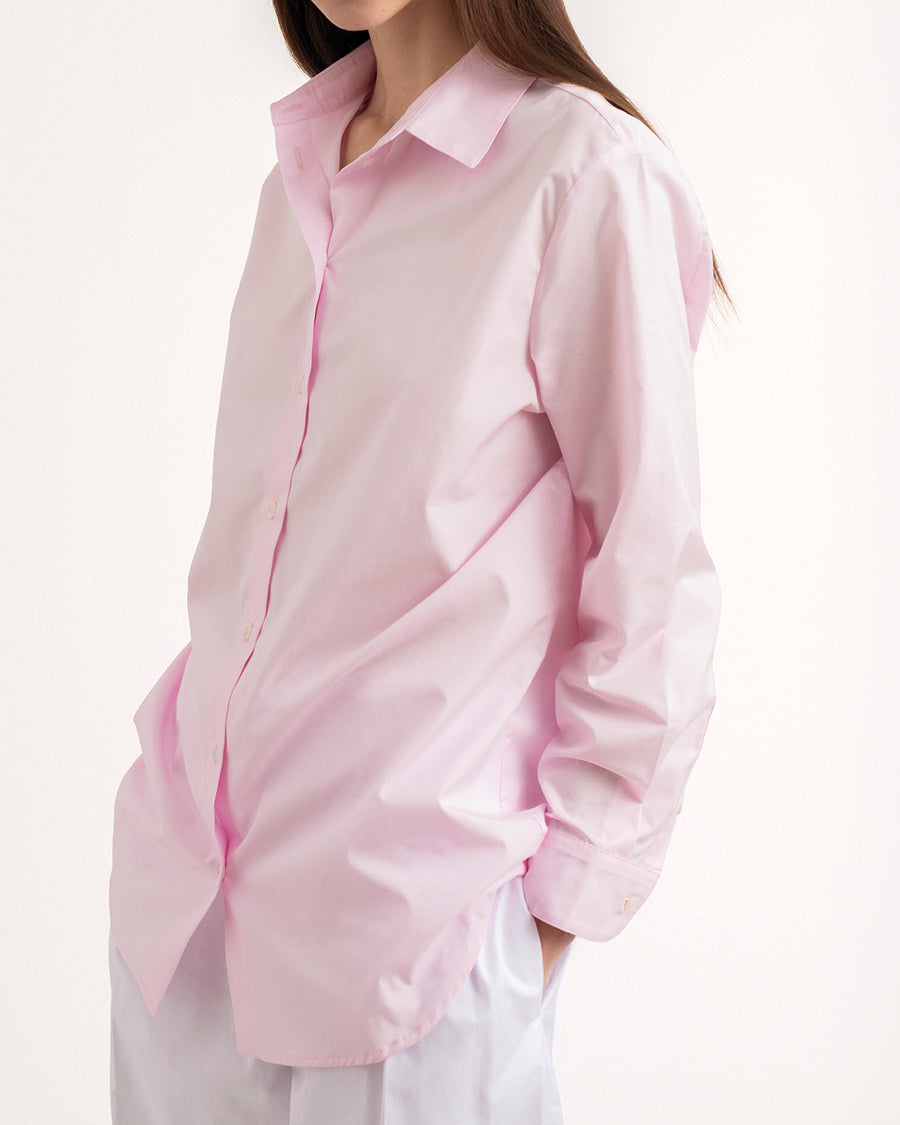
Founded by French designer Philippine Namy, NAMI offers a distinctive perspective on Scottish heritage filtered through a Parisian sensibility. Drawing inspiration from her Scottish family home and her grandfather's wardrobe, Namy creates refined womenswear that honors artisanal traditions while maintaining a decidedly contemporary edge. The brand's waxed cotton jacket, hand-bonded using traditional Mackintosh techniques, exemplifies this approach, combining heritage craftsmanship with modern silhouettes. NAMI's collections feature second-skin layers, fine knits crafted from silk and cashmere, and oversized masculine shapes that reference Scottish mythology and traditions. Stocked at Le Bon Marché and Luisa Via Roma, the brand occupies a unique position where Scottish craft meets luxury contemporary design.
Johnstons of Elgin: Two Centuries of Cashmere Excellence
Operating since 1797 in Moray, Johnstons of Elgin represents the gold standard of Scottish textile heritage. The mill has spent over 200 years perfecting cashmere and fine wool production, maintaining vertical integration that controls every step from fiber sourcing to finished garment. Their commitment to traditional craftsmanship extends beyond manufacturing to environmental stewardship, with investments in renewable energy and responsible sourcing. The brand's scarves, knitwear, and accessories demonstrate how heritage techniques can produce pieces that feel entirely current.
Kestin: Edinburgh's Modern Approach to Scottish Outerwear
Designer Kestin Hare launched his eponymous label in Edinburgh with a mission to create high-quality menswear rooted in Scottish textile traditions. The brand collaborates with heritage mills across Scotland to produce outerwear, knitwear, and shirting that balances functional design with refined aesthetics. Kestin's made-in-Scotland pieces showcase local manufacturing capabilities while introducing contemporary cuts and colorways that appeal to an international audience. The brand's thoughtful approach to seasonal collections emphasizes versatility and longevity over fast fashion trends.
Heritage Knitwear Specialists Keeping Traditional Skills Alive
Scottish knitwear has earned global recognition for its exceptional quality, with certain regions developing distinctive techniques and specializations. Contemporary brands continue these traditions while adapting them for modern lifestyles.
Begg x Co: Wispy Cashmere from the Borders
Based in Ayr, Begg x Co has revitalized traditional Scottish scarfmaking with their signature wispy cashmere scarves that achieve remarkable lightness without sacrificing warmth. The brand works with heritage mills in the Scottish Borders, supporting facilities that have honed their craft over generations. Their contemporary color palettes and innovative finishing techniques demonstrate how traditional production methods can yield thoroughly modern results. Beyond scarves, Begg x Co has expanded into knitwear and accessories that maintain the same commitment to quality and craftsmanship.
Brora: Cashmere with Scottish Soul
Brora has built its reputation on timeless cashmere pieces that emphasize comfort and durability. The brand sources the finest materials and works with skilled craftspeople to create knitwear that improves with age. Their approach combines classic Scottish knitting traditions with practical designs suited to contemporary living. From essential sweaters to luxurious layering pieces, Brora demonstrates the enduring appeal of well-made cashmere grounded in Scottish heritage.
Barrie: Luxury Knitwear from the Borders
Operating from Hawick in the Scottish Borders since 1903, Barrie represents the pinnacle of luxury knitwear production. The mill supplies some of fashion's most prestigious houses while maintaining its own collections that showcase extraordinary technical skill. Their fully-fashioned knitwear, constructed to minimize waste and maximize fit, represents centuries of accumulated knowledge. The brand's commitment to preserving specialized techniques ensures these skills pass to new generations of makers.
Tartan Weavers and Textile Innovators
Tartan remains synonymous with Scottish identity, but contemporary weavers are pushing beyond traditional patterns to explore new possibilities within this ancient textile tradition.
Lochcarron of Scotland: Guardians of Tartan Heritage
As one of Scotland's foremost tartan weavers, Lochcarron produces both traditional clan patterns and contemporary interpretations for fashion brands worldwide. Their mill in the Scottish Borders maintains traditional weaving techniques while investing in innovation that expands tartan's possibilities. The company's extensive archive preserves thousands of patterns, serving as both historical resource and inspiration for new designs. Lochcarron demonstrates how a heritage craft can remain commercially viable and creatively vital.
Hilary Grant: Bold Color Meets Traditional Technique
Designer Hilary Grant takes a maximalist approach to Scottish textiles, creating vibrant knitwear and woven pieces that celebrate color and pattern. Working with Scottish mills, Grant pushes traditional techniques in unexpected directions, proving that heritage craftsmanship can accommodate bold contemporary vision. Her pieces feel distinctly Scottish in their construction quality while defying any staid expectations about Highland dress.
Outerwear and Technical Garments Rooted in Scottish Climate
Scotland's notoriously changeable weather has long driven innovation in protective clothing. Contemporary brands continue this tradition, creating outerwear that combines time-tested techniques with modern performance.
Finnieston Clothing: Glasgow's Practical Luxury
Named after a Glasgow neighborhood, Finnieston creates outerwear that addresses the city's wet climate with style and substance. The brand emphasizes practical luxury, using quality materials and construction techniques that ensure garments perform reliably year after year. Their approach reflects a particularly Scottish sensibility that values function alongside form, creating pieces that work as hard as they look good.
Endura: Technical Excellence from the Highlands
While primarily known for cycling apparel, Endura represents Scottish expertise in technical garment construction. Based in Livingston, the brand applies rigorous performance standards to everything it produces, drawing on Scotland's challenging conditions to test and refine designs. Their success in competitive cycling demonstrates how Scottish manufacturing can compete at the highest international levels.
Designers Reimagining Highland Dress for Contemporary Wardrobes
Highland dress traditions offer rich material for contemporary reinterpretation, with several designers finding fresh approaches to kilts, tartans, and Scottish tailoring conventions.
Sibling: Playful Knitwear with Scottish Roots
Though now based in London, Sibling maintains strong connections to Scottish textile production, creating knitwear that balances irreverent design with serious craftsmanship. The brand works with Scottish mills to produce pieces that feel both experimental and grounded in traditional technique. Their approach demonstrates how younger designers can engage with Scottish heritage without being constrained by it.
Judy R Clark: Sustainable Highland Reinvention
Edinburgh-based designer Judy R Clark reimagines traditional Scottish garments through a sustainability lens, using deadstock tartans and vintage materials to create contemporary pieces. Her work honors Highland dress traditions while addressing contemporary concerns about waste and environmental impact. Clark's designs prove that heritage and sustainability naturally align when approached thoughtfully.
The Future of Scottish Fashion Heritage
These twelve brands represent just a portion of Scotland's vibrant fashion landscape, but together they illustrate several important trends shaping the future of Scottish heritage brands. There is growing recognition that preserving traditional craftsmanship requires more than nostalgia; it demands economic viability and creative evolution. The most successful brands balance reverence for heritage techniques with willingness to adapt and innovate.
Younger designers increasingly view Scottish traditions as starting points rather than limitations, finding creative freedom within historical frameworks. Meanwhile, established heritage brands are discovering new audiences by emphasizing quality, sustainability, and provenance - values that resonate strongly with contemporary consumers seeking alternatives to disposable fashion. The collaboration between designers and traditional mills, weavers, and makers ensures specialized skills transfer to new generations while remaining commercially relevant.
Scottish fashion brands also benefit from renewed interest in regional identity and local production. As consumers become more conscious about where and how their clothing is made, Scotland's concentrated textile infrastructure and reputation for quality position its brands advantageously. The country's relatively small scale encourages collaboration rather than competition, with designers, mills, and retailers often working together to strengthen the broader ecosystem.
Conclusion: Heritage as Living Practice
The Scottish fashion brands preserving traditional craftsmanship demonstrate that heritage need not mean historical reenactment. Instead, these labels treat tradition as living practice - something to be used, questioned, refined, and passed forward. They prove that the same techniques that produced garments for Highland winters and Border mills can create clothing perfectly suited to contemporary life, provided designers approach heritage with both respect and imagination.
Whether you are drawn to the refined simplicity of heritage knitwear, the protective qualities of traditional outerwear, or the bold patterns of reimagined tartans, these brands offer entry points into a rich textile tradition. Consider exploring how Scottish craftsmanship might complement your wardrobe - perhaps through a cotton guernsey cardigan that references traditional fishermen's sweaters, or angora mohair pieces made in Scotland with Scottish yarn. By choosing brands that honor traditional techniques while creating for today, you participate in keeping these crafts vital for tomorrow.